
Science & Space
-
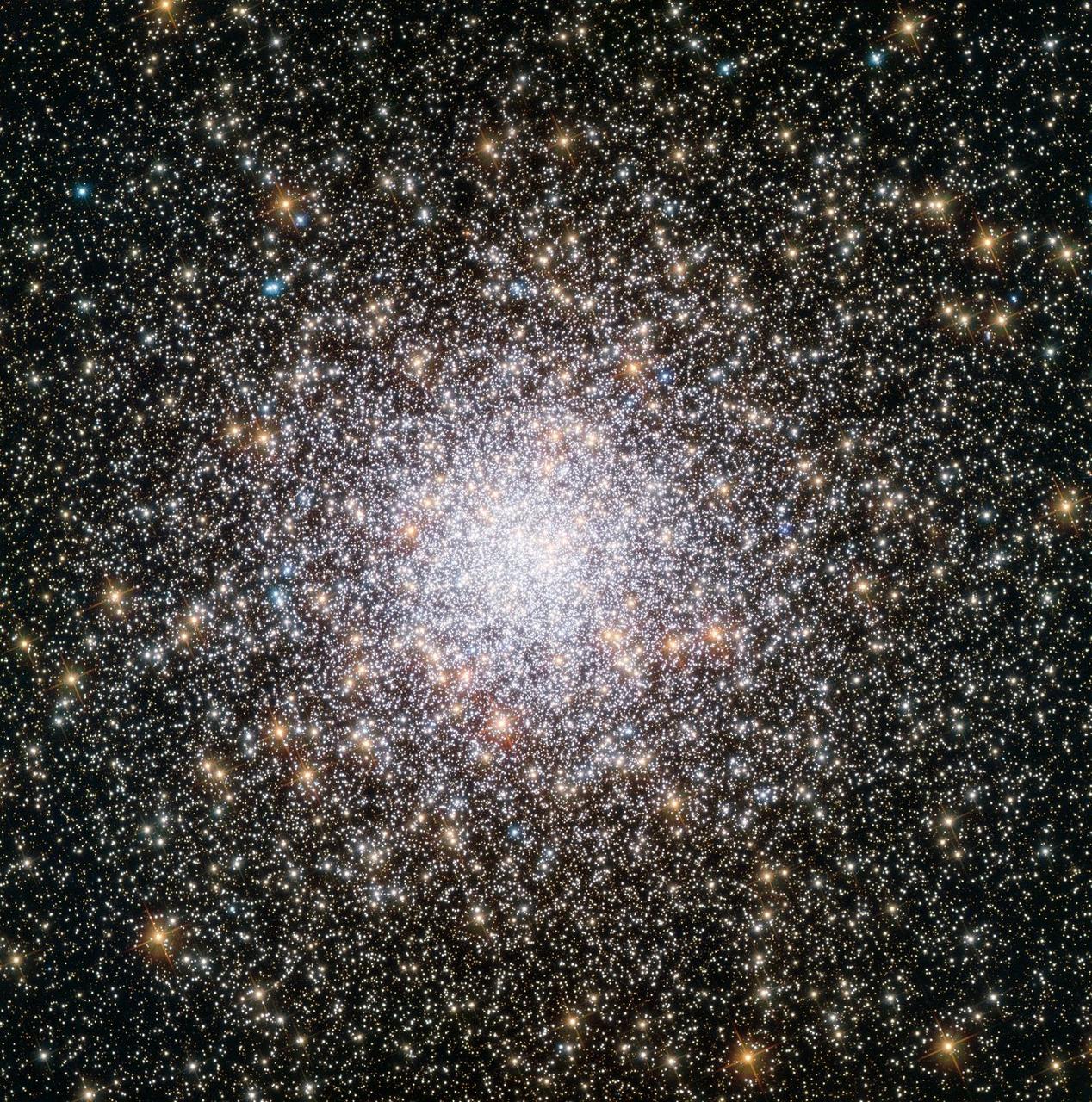
Open Clusters vs Globular Clusters: How Stellar Families Differ
Open clusters are relatively loose groups of stars that formed together, usually in a galaxy’s disk. Globular clusters are much denser, roughly spherical systems…
-
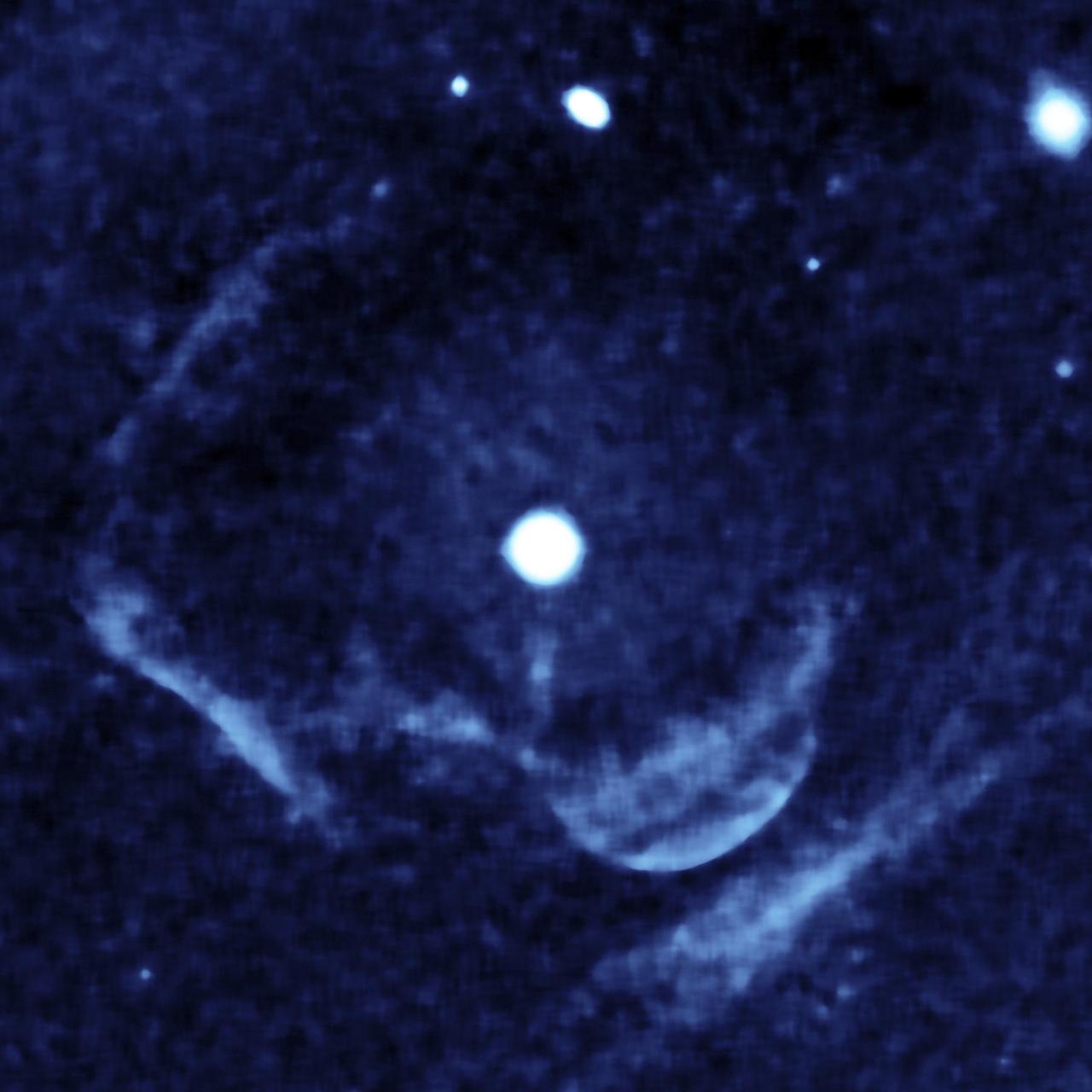
What Are Binary Stars? Shared Orbits and Hidden Companions
Binary stars are two stars bound by gravity that orbit their shared center of mass. They can be widely separated or so close that…
-
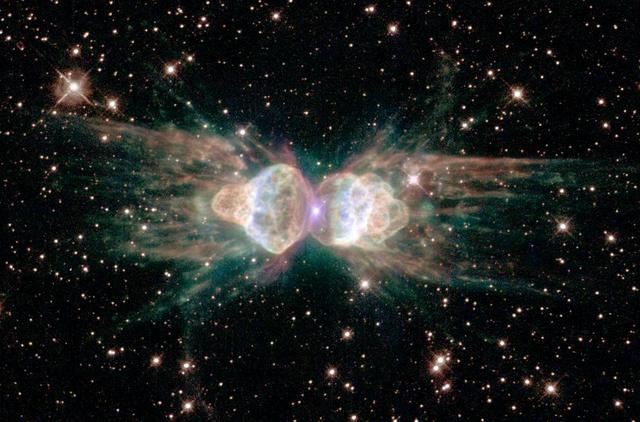
What Is a Nebula? Glowing Gas, Dark Dust and Stellar Life Cycles
A nebula is a cloud of gas and dust in space. Some nebulae are regions where stars form; others contain material expelled by aging…
-
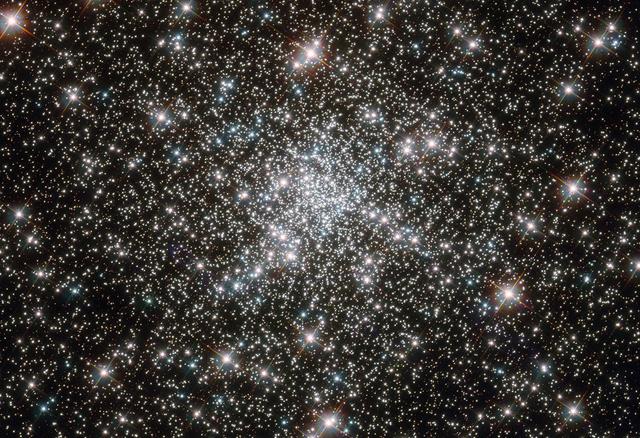
Why Are Stars Different Colors? Temperature, Dust and What You See
A star’s color is mainly a clue to its surface temperature. Hotter stars emit proportionally more short-wavelength light and can look blue-white; cooler stars…
-
Why Do Stars Twinkle? Air, Refraction and a Steadier View
Stars twinkle because their light passes through moving layers of Earth’s atmosphere. Patches of air with different temperatures and densities bend the light by…