
A Cartesian diver sinks when pressure compresses its trapped air. Water enters its cavity, changing the balance between weight and buoyancy.
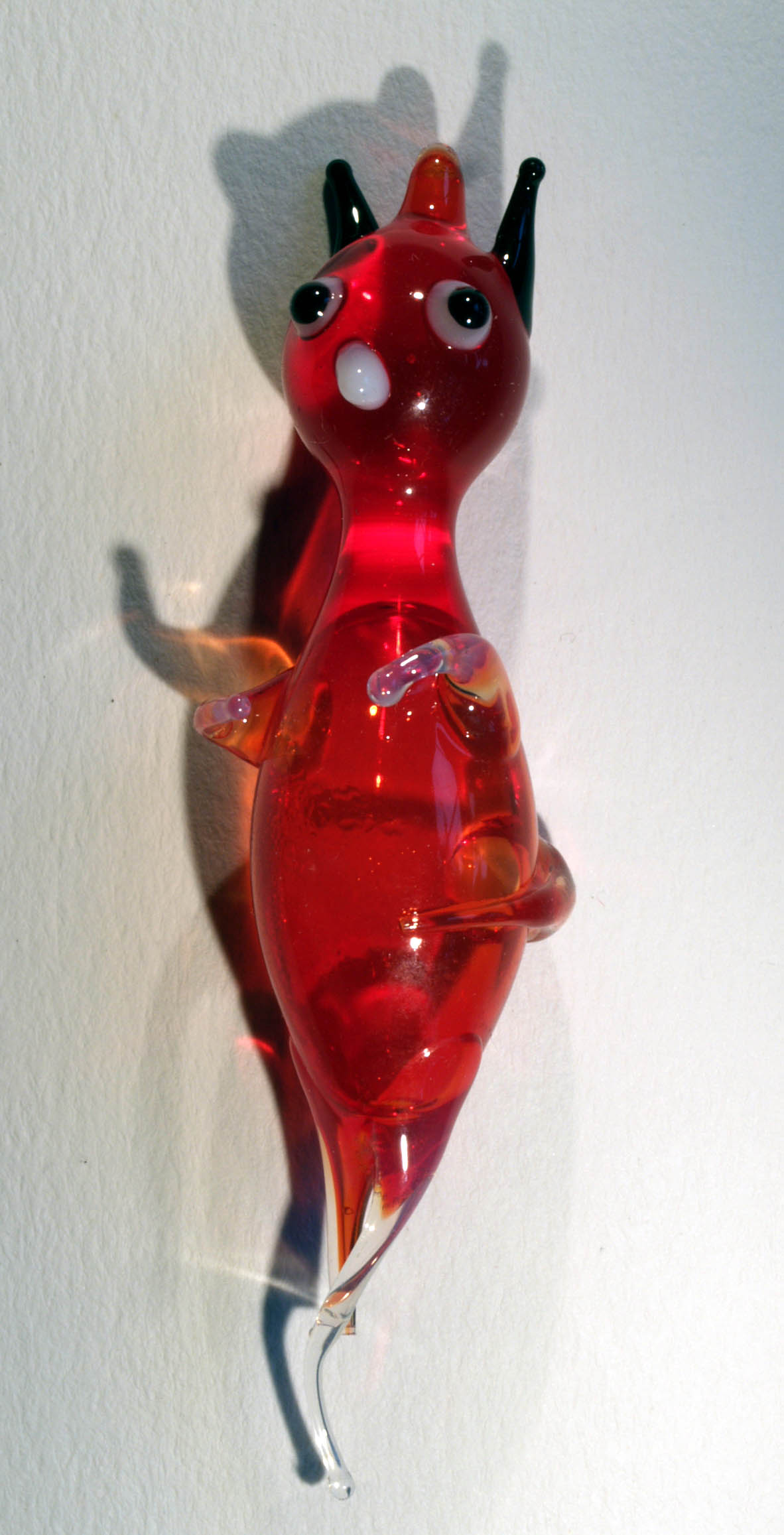
A 2021 preprint tested printed divers with controlled dimensions. The researchers combined gas compression with displaced-water buoyancy to predict sinking pressures. Measurements agreed with only some predictions: small geometric inaccuracies could substantially change the calculated threshold. The demonstration is simple; quantitatively predicting a particular diver is less forgiving.
A 1965 experiment turned related physics into a density comparator. Its sealed, thin-walled quartz diver changed volume under pressure rather than admitting water like the toy. Researchers compared equilibrium pressures with known and unknown loads. Sensitive measurements required careful temperature control and cleaning; accuracy still depended on the standards.

Compare how trapped spaces influence pumice buoyancy.
Leave a Reply