
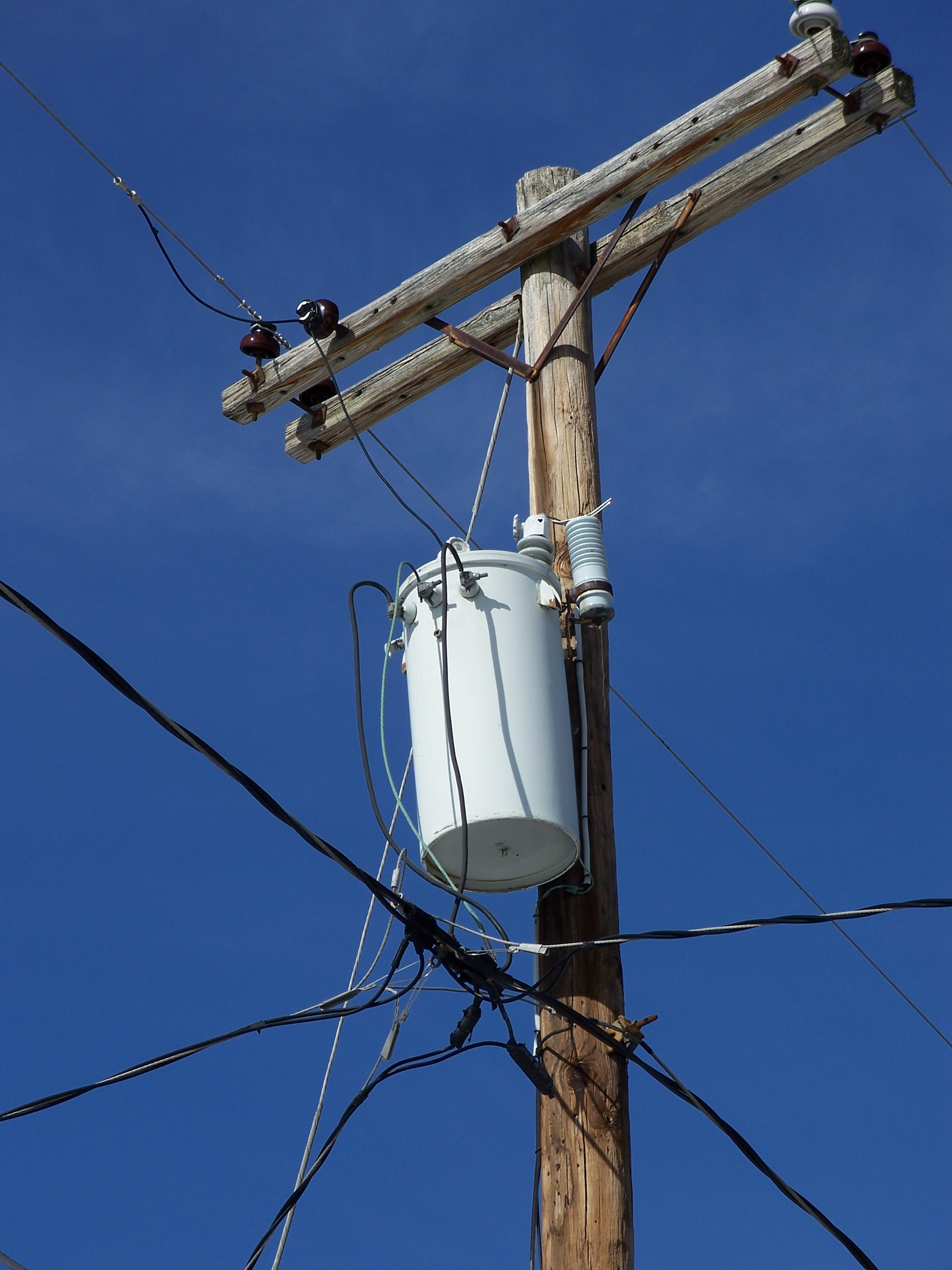
An electrical transformer can hum without a motor. Its magnetic core changes dimensions slightly as the magnetic field changes, a phenomenon called magnetostriction.

Small movements become sound
A 2021 investigation tested steel sheets, a model core and an actual transformer core. Alternating magnetization produced repeated deformation, with a fundamental vibration frequency twice the electrical excitation frequency. The measured sound was not a single pure note: higher frequencies and structural resonances also mattered. Different positions and directions vibrated differently, especially near joints.
Assembly matters too
In 2023 experiments, strain gauges mapped tiny changes across a laminated model core. Corners behaved differently from straight sections, and changing clamp position altered local strain. Adding a direct-current component increased deformation under the tested conditions. Measurements on one isolated steel sheet therefore did not fully describe an assembled core. These are laboratory findings, not instructions for adjusting electrical equipment.
For the unit behind those repetitions, see what hertz measures.
Leave a Reply