
A groove stores motion. Optical recovery measures its shape and calculates sound without dragging a stylus through it.
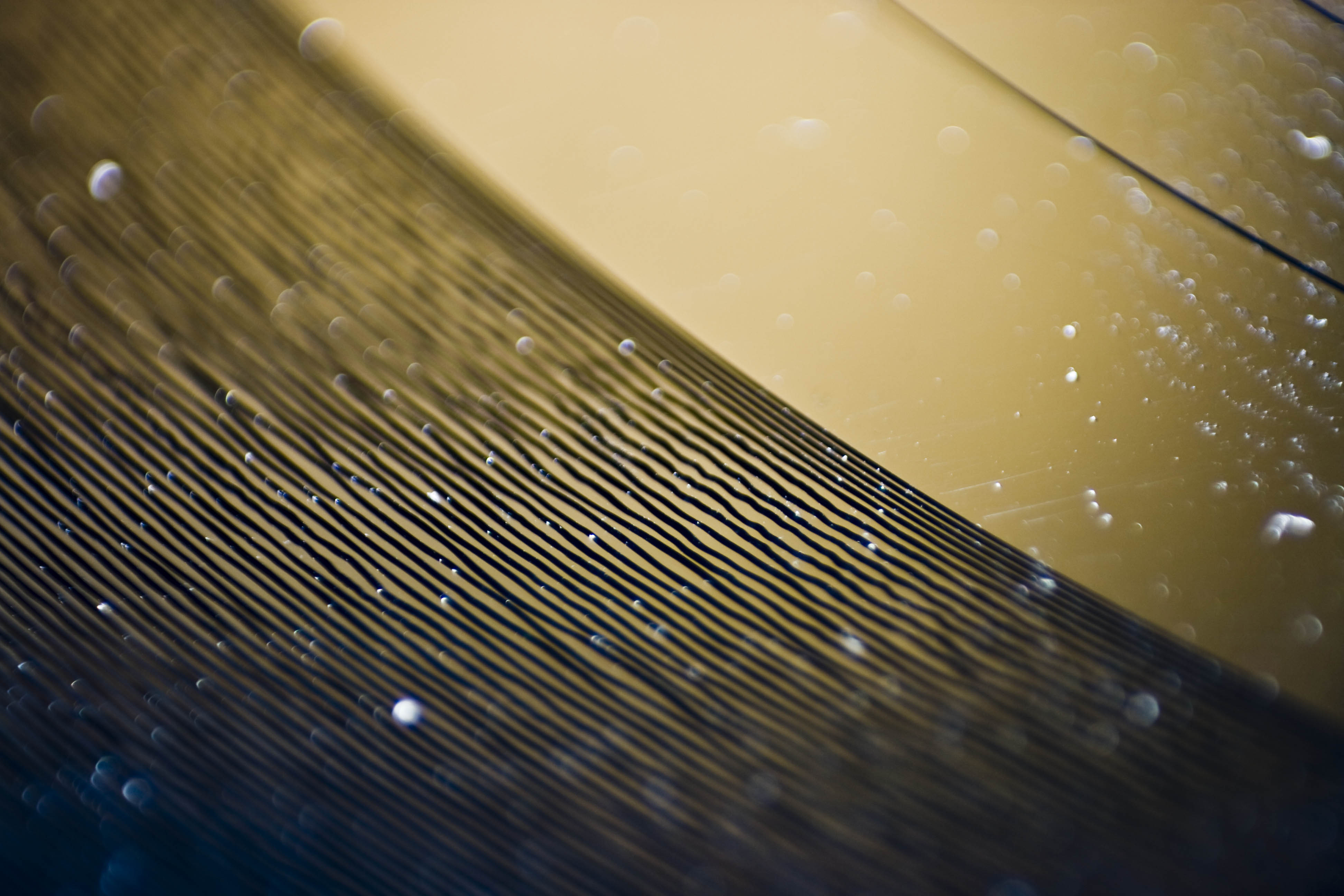
Tracing sideways motion
In a 2003 experiment, researchers photographed shellac grooves, extracted their edges and assembled a continuous path. Calculating how quickly that path moved sideways produced audio. Rejecting spurious points reduced some noise compared with stylus playback, but hiss remained. This required precise measurement and processing, not an ordinary snapshot magically becoming music.
Measuring depth instead
A 2004 cylinder study mapped surface heights because its recording varied vertically. Optical depth measurements followed the groove, while calculations removed the cylinder’s larger-scale shape. Recovered audio was comparable to stylus playback, but periodic clicks remained. The demonstration used a celluloid cylinder; it did not prove that every damaged recording could be restored.

Compare CD reading: decoding digital marks is a different task.
Leave a Reply