
A heated tube can sustain a tone when fluctuating heat release feeds an acoustic resonance faster than energy is lost.
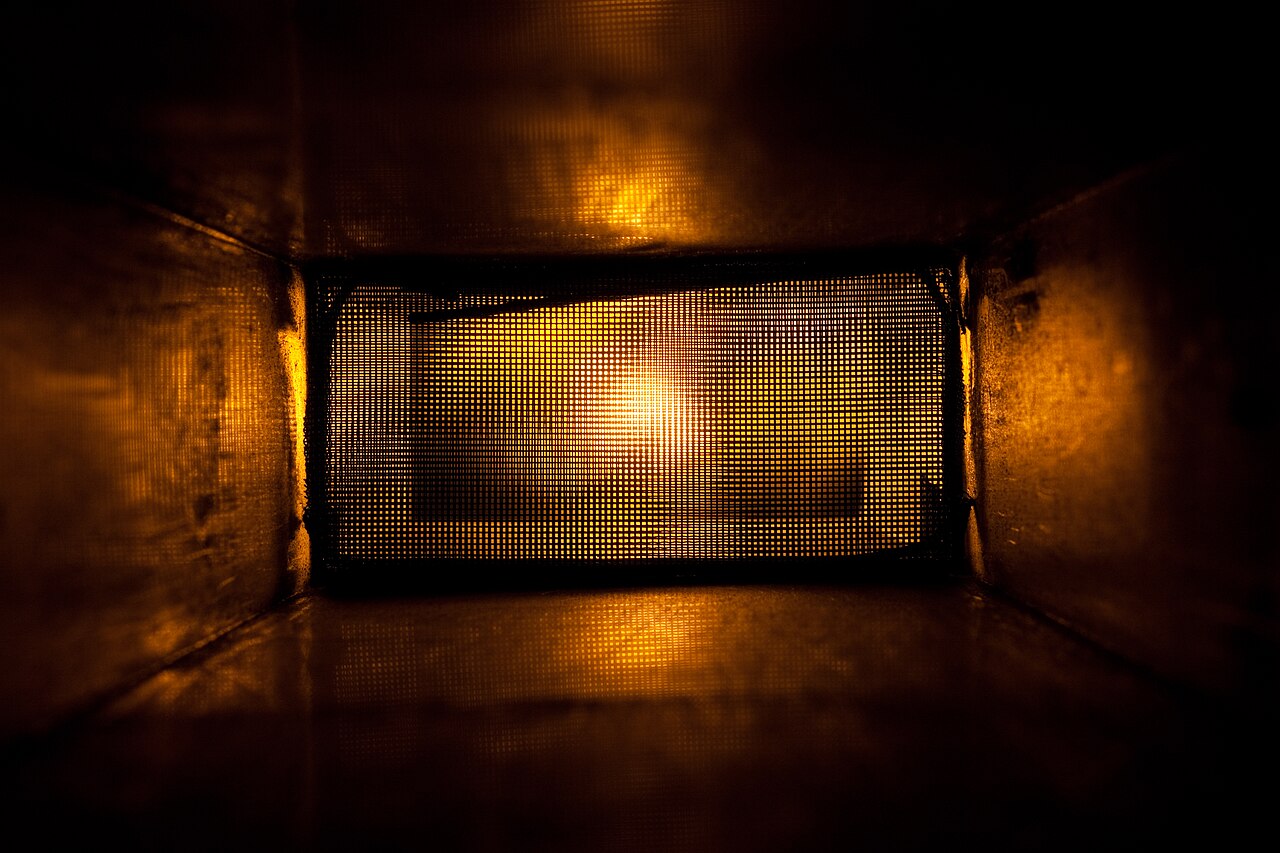
Heat and sound fluctuate together
In 2022 experiments, Luo and colleagues studied a flame-driven Rijke tube. Laser measurements captured rapid temperature changes that a slower thermocouple missed. Temperature, flame luminosity and pressure shared a dominant frequency near 230 hertz. That value belonged to this apparatus, not every heated tube; the observations connect several changing quantities rather than treating the flame as a steady heater.
Interrupting the feedback
A 2023 study used microphone feedback to control pulsating air jets near a flame. In its horizontal tube, suppression depended on the pulsation frequency. Faster operation was not automatically better: some settings failed to eliminate oscillations, and high settings could extinguish the flame. This was a laboratory control experiment, not a universal remedy for engine instability.

Compare airflow-driven whirly-tube notes.
Leave a Reply