
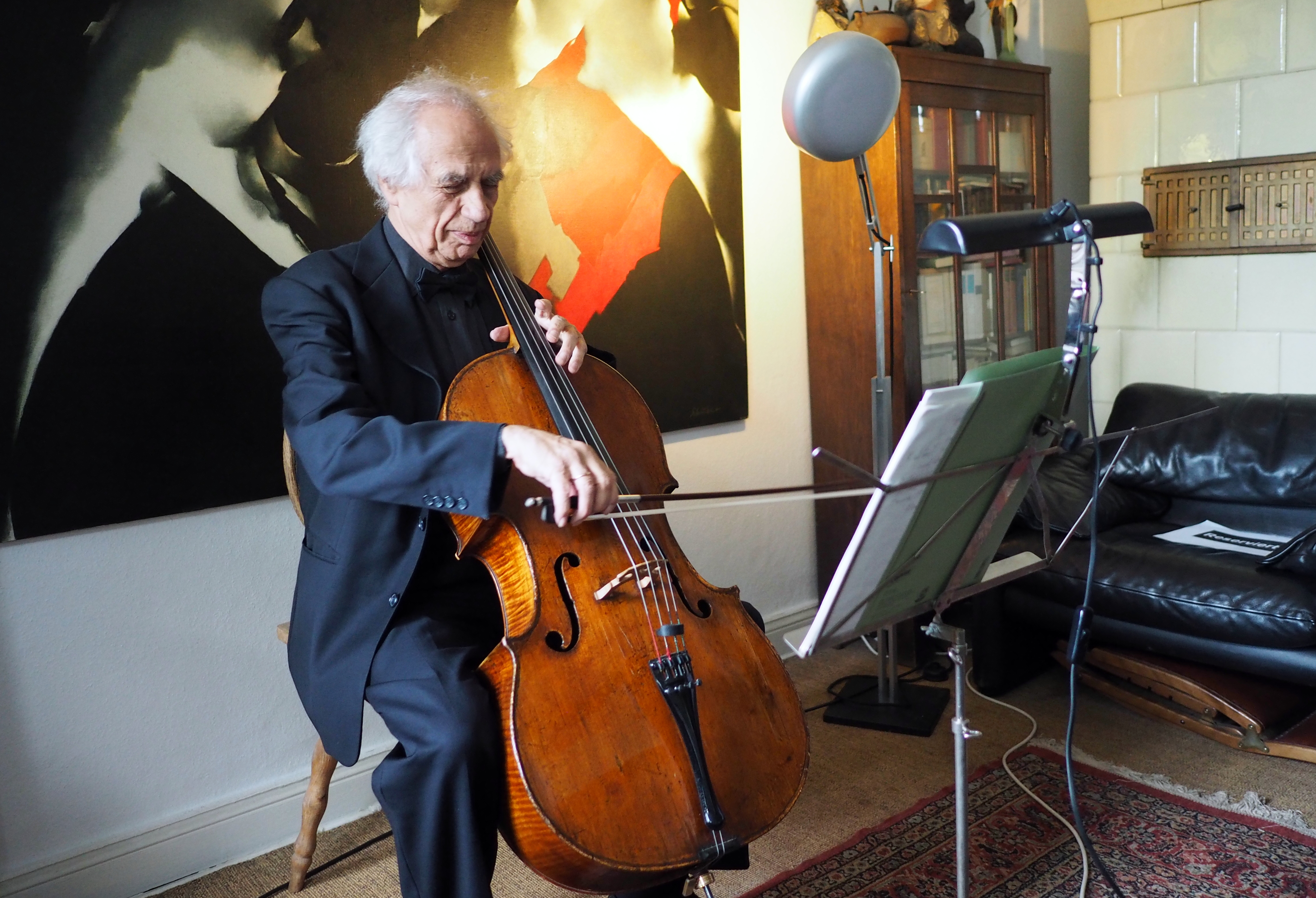
The best places to find chamber music house concerts are curated platforms such as Groupmuse, chamber-music presenters that run salon or house-concert series, performers’ official calendars, local chamber-music organizations, university and conservatory newsletters, and small cultural organizations that reveal the address only after an RSVP. Search for “house concert,” “salon concert,” “living-room concert,” “secret chamber music,” and “intimate chamber music,” plus your city. Then verify the listing with the organizer or ensemble, because a private gathering, participatory reading session, and ticketed public performance are not the same event.
Start with platforms built for intimate concerts
Groupmuse’s concert calendar is the clearest national starting point in the United States. Listings distinguish living-room events from larger “Night Out” concerts and show the neighborhood, instruments, reservation status, and payment structure. Groupmuse describes its events as intimate performances in nontraditional spaces such as living rooms, backyards, church basements, and parks. Filter by location, then open the individual event rather than relying on the calendar card alone.
Read the reservation details carefully. Groupmuse’s current reservation and waitlist guide explains that a full event can place a guest on a waitlist and that some hosts manually review requests. Its host information says only confirmed attendees receive a private-home address by default. Do not publish, forward, or arrive at a private address obtained for a confirmed reservation unless the host expressly permits it.
Look for established house-concert series
Some chamber-music organizations make house concerts a regular part of their season. Chamber Music Charleston presents programs in historic homes and residential communities, while its current official calendar identifies dates and concert locations. Its house-concert page explains that these approximately hour-long performances have limited audiences and tend to sell out, so advance reservations matter.
Open Classical’s House Concert Network is another useful model. It connects hosts and professional touring musicians and directs people who want to attend toward event notifications. In the Pacific Northwest, the Seattle Metropolitan Chamber Orchestra describes its Secret Chamber Music programs as small-ensemble performances in homes, galleries, and other private locations. Search these organizations’ current event pages, not only their general description pages, before planning a trip.
Use chamber-music directories to find local presenters
Chamber Music America maintains a member directory that can help identify small ensembles and presenting organizations by location and genre. A directory listing is a lead, not proof of a house concert; open the member’s own calendar and search for “salon,” “house,” “home,” “private residence,” or “secret location.”
Associated Chamber Music Players maintains directories for players, organizations, coaches, events, and workshops. Its current guidance says the event directory can be filtered for concerts. ACMP also distinguishes a public informal performance from a Play-In, where attendees bring instruments and play. That distinction matters: a Play-In can welcome listeners, but it is not necessarily a polished house concert with a fixed program.
Search terms that uncover small and private venues
- chamber music house concert [city]
- salon concert [city or neighborhood]
- living room classical concert [region]
- secret chamber music [city]
- string quartet private residence concert
- intimate chamber series [city]
- home concert RSVP [state or province]
- chamber ensemble mailing list [city]
Also check conservatory faculty calendars, university music departments, arts councils, historic-house museums, local classical-radio event pages, cultural institutes, and performers’ newsletters. Small events may be announced only to a mailing list because capacity is measured in chairs rather than hundreds of seats. If a social post names a series but lacks a safe ticket route, locate the organizer’s official website before sharing personal information or money.
Know what kind of invitation you found
| Listing type | What it usually means | What to verify |
|---|---|---|
| Public house concert | Anyone may request or buy a limited reservation | Approval, address release, price, and capacity |
| Private invitation | Host controls the guest list | Whether the invitation is transferable |
| Salon series | Curated program in a home, gallery, club, or studio | Exact venue, seating, reception, and dress expectations |
| Secret-location concert | Neighborhood or district is public; address comes later | When and how confirmed guests receive directions |
| Play-In or reading party | Participants play chamber music together | Instrument, level, repertoire, coaching, and listener policy |
| House-concert booking | A performer is advertising a host service, not an existing event | Whether any public date has actually been scheduled |
Verify the event before you reserve
- Match the year, date, local time, city, neighborhood, performer, and program on the organizer and ensemble pages.
- Confirm whether a reservation is automatically accepted or reviewed by the host.
- Read the fee structure: ticket, reservation charge, suggested contribution, pay-what-you-can amount, musician payment, or private-host guarantee.
- Check when the exact address is released and keep it within the organizer’s stated privacy rules.
- Verify arrival time versus music start time, late-entry policy, intermission, reception, and total duration.
- Ask about cancellations, refunds, waitlists, guest substitutions, and whether the reservation can be transferred.
- Recheck the official event page and organizer message on the day of the concert.
A copied event listing can help with discovery, but the host platform, presenter, or ensemble should be the final authority. If an exact address appears publicly even though the organizer says it is private, do not assume that disclosure is intentional. Use the official RSVP route and wait for confirmed instructions.
Plan for a residence, not a concert hall
House concerts may use floor cushions, dining chairs, stairs, narrow hallways, residential bathrooms, street parking, and coat storage improvised for one evening. Ask whether seating is assigned, whether guests may stand, and whether there is a place for a mobility device without blocking an exit. Confirm pets, fragrance, food, alcohol, temperature, outdoor surfaces, and weather plans when any of those conditions affect you.
For wheelchair or mobility access, ask about the route from curb or parking space to the performance room, exterior steps, doorway width, elevator availability, accessible restroom, companion seating, and the longest period without a break. For hearing needs, ask about room size, amplification, seating distance, and whether hearing protection or assistive listening is available. A host can be welcoming while the building itself remains inaccessible, so obtain concrete route details before paying or traveling.
Use good house-concert etiquette
- Arrive within the stated window; a late entrance can interrupt musicians only a few feet away.
- Do not bring an unregistered guest, child, pet, instrument, food, or alcohol without permission.
- Keep the private address and entry instructions off public posts.
- Silence devices and ask before photographing, recording, livestreaming, or tagging the residence.
- Follow the organizer’s musician-payment instructions rather than assuming the reservation fee is the performer’s full pay.
- Respect the host’s rooms, neighbors, parking rules, occupancy limit, and departure time.
Troubleshoot common dead ends
The address is missing: that may be a privacy feature; reserve through the official organizer and check when confirmed guests receive it. The event is full: join the official waitlist instead of asking for an address from another guest. You found only a host application: look for a separate calendar or notification list. The listing says chamber music but not house concert: check the venue field for “private residence,” “home,” “salon,” or “location shared after RSVP.” The event is a Play-In: verify whether listeners are welcome or whether you must bring an instrument. Payment is requested through a personal account with no organizer confirmation: pause and verify through the published platform or presenter.
For other intimate instrumental performances, see Wondelique’s guide to handbell choir concerts. If you want to perform rather than attend, the guide to amateur orchestras explains how to compare auditions, rehearsal expectations, and membership. For recurring local ensembles in parks, schools, and civic venues, use the guide to community bands.
Sources and public calendars checked November 16, 2026. Dates, capacities, prices, guest approval, address-release rules, performer lineups, access details, and payment methods can change; verify the organizer and ensemble’s current pages before reserving or traveling.
Leave a Reply