
Honeybees collect water because a colony needs it for cooling and feeding, not because water itself is the raw ingredient for honey. Different foragers bring back different resources. Nectar is processed into honey; water is used more directly inside the hive.
Cooling a crowded hive
A strong colony can become very warm, especially in hot weather. Workers distribute droplets of collected water and circulate air with their wings. Evaporation absorbs heat, helping the colony manage its internal temperature.
Feeding young bees and handling food
Water also helps workers prepare food for developing brood and dilute stored substances when needed. The amount gathered changes with the colony’s needs and the environment, so a busy water source does not necessarily mean the nectar flow has stopped.
How to recognize a water collector
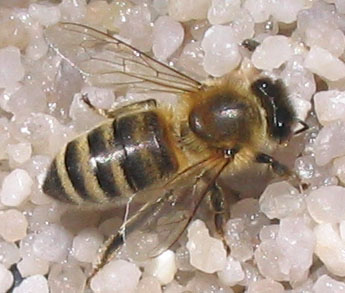
A bee drinking at a shallow pond edge or damp stone may be taking up water. From a single image you cannot reliably determine whether that exact individual will bring it to its nest; the image illustrates the behavior of drinking at a water source.
A safe bee-friendly water station
If you want to provide water, set out a shallow dish with pebbles or other landing surfaces, keep it clean and refill it regularly. Avoid pesticide residue. Keep the station a considerate distance from crowded walking areas, and do not attempt to touch or handle bees.
Frequently asked questions
Do bees turn pond water into honey?
No. Honey originates primarily from nectar and other natural sugar sources collected by bees.
Why do bees crowd around swimming pools?
They may be seeking accessible water or dissolved minerals. Provide a safer shallow alternative and keep it refreshed.
Learn more
Related Wondelique guides: read the first related guide and explore the companion article. For additional background, see the original reference source.
Leave a Reply