
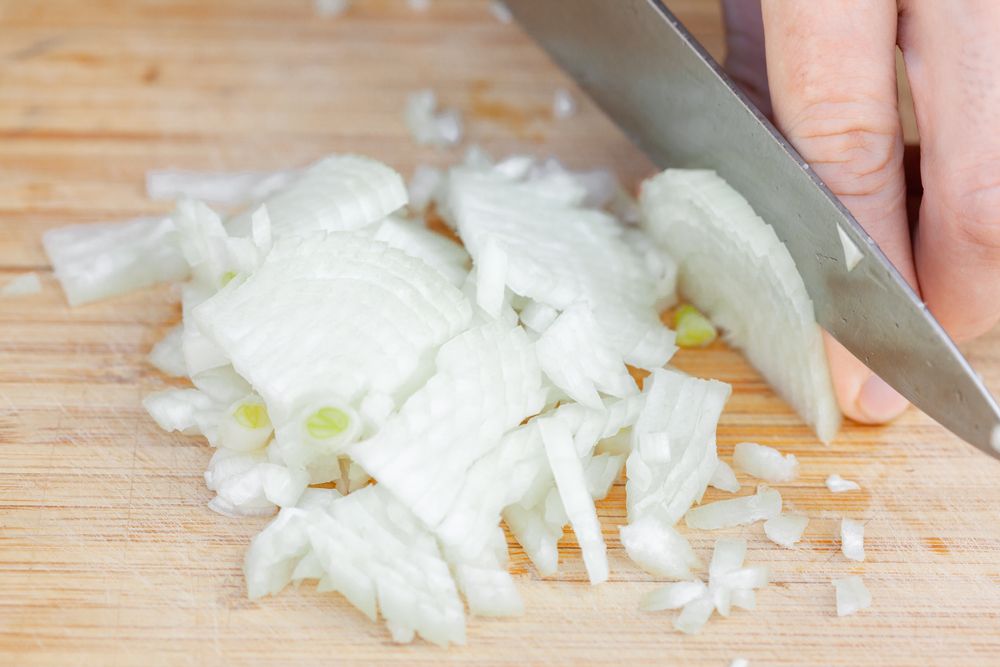
A stable wooden or food-safe plastic cutting board is generally kinder to a kitchen knife edge than glass, stone or ceramic surfaces.

Steps to follow
- Choose a board large enough to hold food without crowding.
- Set it on a clean nonslip surface or suitable damp towel.
- Inspect for deep grooves or unstable warping.
- Cut with controlled motions rather than striking the board excessively.
- Clean and dry according to the board’s material.

Why the approach works
A hard cutting surface can wear or damage thin blade edges faster than a slightly yielding material. Board sanitation and stability matter just as much as edge preservation.
Mistake to avoid
Do not use a slippery board on a wet counter; losing control is a greater immediate risk than dulling.
Frequently asked question
Are bamboo boards suitable?
Many are usable, but construction and hardness vary. Maintain a sharp knife and replace worn or damaged boards.
Leave a Reply