
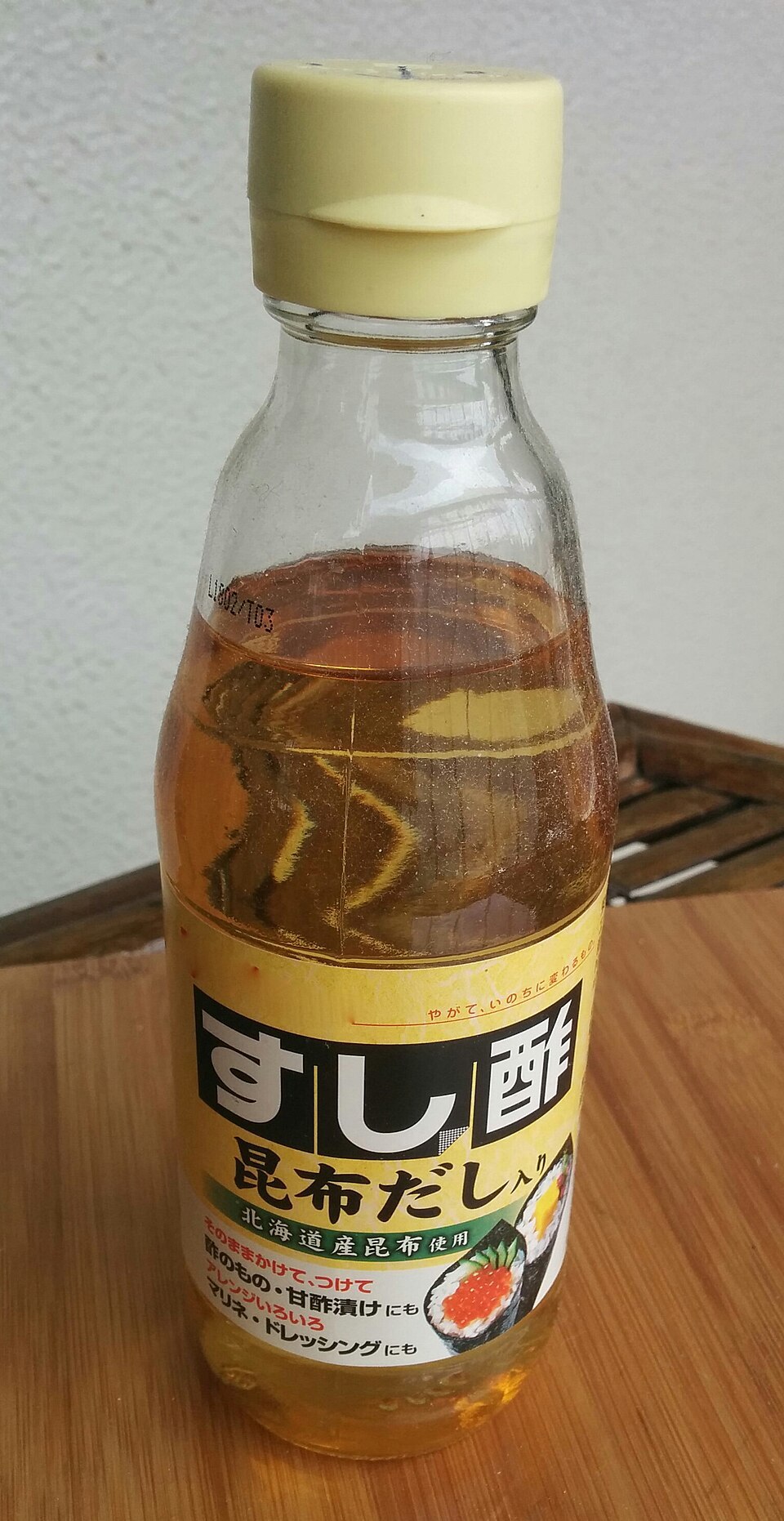
Sushi rice can taste overly sweet when the vinegar mixture contains too much sugar or when a pre-seasoned vinegar is sweetened again. Start by checking the label and measuring your mixture carefully.

Make a better seasoning balance
- Confirm whether your rice vinegar is already seasoned with sugar and salt.
- For unseasoned vinegar, follow a tested ratio and dissolve sugar fully before mixing.
- Add seasoning gradually to a measured amount of freshly cooked short-grain rice.
- Taste after folding and allowing a few moments for flavors to distribute.
- Record the amount you used so the next batch can be adjusted without guesswork.
Why this approach helps
Vinegar acidity, sugar and salt should support the rice rather than overpower it. Trying to neutralize sweetness with more vinegar can simply produce rice that is both too sweet and too sour.

What to avoid
Don’t add a large amount of extra liquid to a finished batch; the rice can become soggy. A little unseasoned cooked rice may help dilute too-strong seasoning if prepared safely.
Frequently asked questions
Does every sushi recipe use the same sugar ratio?
No. Restaurants and home recipes vary, so treat published ratios as starting points rather than universal rules.
For more detail, read the related Wondelique guide.
Leave a Reply