
A C major chord has the notes C, E and G. You can play the same three notes in three different arrangements: C–E–G (root position), E–G–C (first inversion) and G–C–E (second inversion). Each arrangement is still a C major chord. The name changes because a different note becomes the lowest.
Find the three C major shapes
Start near middle C. Press C, E and G together with a relaxed right hand; try thumb, middle finger and little finger. Next move the lowest C up to the next C above E and G, producing E–G–C. Finally move the E up an octave to produce G–C–E. Avoid locking the wrist; ease off if you feel strain.
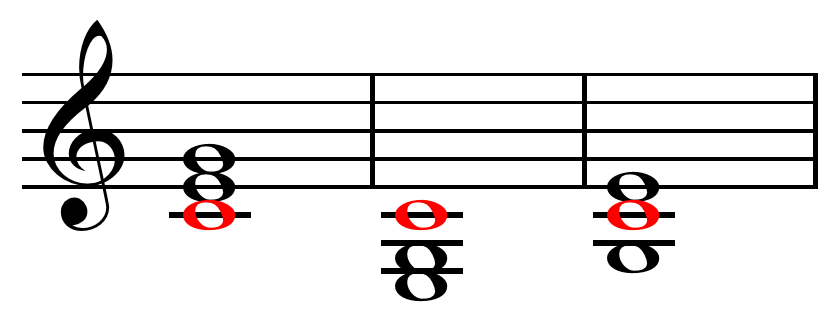
A five-minute beginner exercise
Minute 1: Name the notes out loud while playing C–E–G slowly. Minute 2: Move to E–G–C, then return to C–E–G. Minute 3: Add G–C–E. Minute 4: Move through all three positions up and then down. Minute 5: Try the same patterns with the left hand at an easy pace. Pause before a chord if accuracy slips; speed is not the goal.
Why bother learning inversions?
A progression can sound smoother when a nearby inversion lets your hand move only a few keys instead of leaping to another part of the keyboard. For example, in the key of C, move from C–E–G to C–F–A (an inversion of F major) and then to B–D–G (an inversion of G major). The notes can shift in small steps while the harmony changes.
What does C/E or C/G mean?
In a chord symbol, a slash often names the bass note. C/E asks for a C major chord with E in the bass, while C/G asks for G in the bass. A melody or accompaniment can have additional notes; the lowest sounding note controls the inversion. For more technical examples see piano.org’s chord-inversion guide and Pianote’s keyboard demonstrations.
Frequently asked questions
Are inversions different chords?
Not when they contain the same C, E and G chord tones; changing which tone is lowest changes the inversion and the sound, but not the chord’s root or major quality.
Should I use a sustain pedal while learning?
Start without it so you can hear when one chord is released and the next is pressed. Add light pedal practice after your changes are clean.
Do I have to memorize finger numbers?
Use comfortable finger choices for your hand and keyboard size, rather than forcing a single pattern. The note order matters more than any one fingering.
Next, try the related block chords versus broken chords exercise.
Leave a Reply