
The most reliable way to get rid of roaches is to combine four things: remove food and water, eliminate hiding places, monitor the active zones, and place bait close to those zones. Spraying the whole room or setting off a bug bomb can scatter roaches and increase pesticide exposure without reaching the cracks where they live.


The short answer
- Store food in sealed containers, clean grease and crumbs, empty trash and do not leave pet food out overnight.
- Fix leaks, dry sinks and counters, and remove standing water.
- Place sticky monitors along wall edges, under appliances and inside sink cabinets to find the busiest hiding areas.
- Vacuum visible roaches, shed skins and egg cases; empty the vacuum into a sealed outdoor trash bag.
- Seal cracks and pipe openings, add door sweeps and reduce cardboard clutter.
- Use labeled gel baits or enclosed bait stations near active hiding places, beyond the reach of children and pets.
- Check monitors weekly and refresh bait according to the label until activity stops.
First, identify what you are seeing
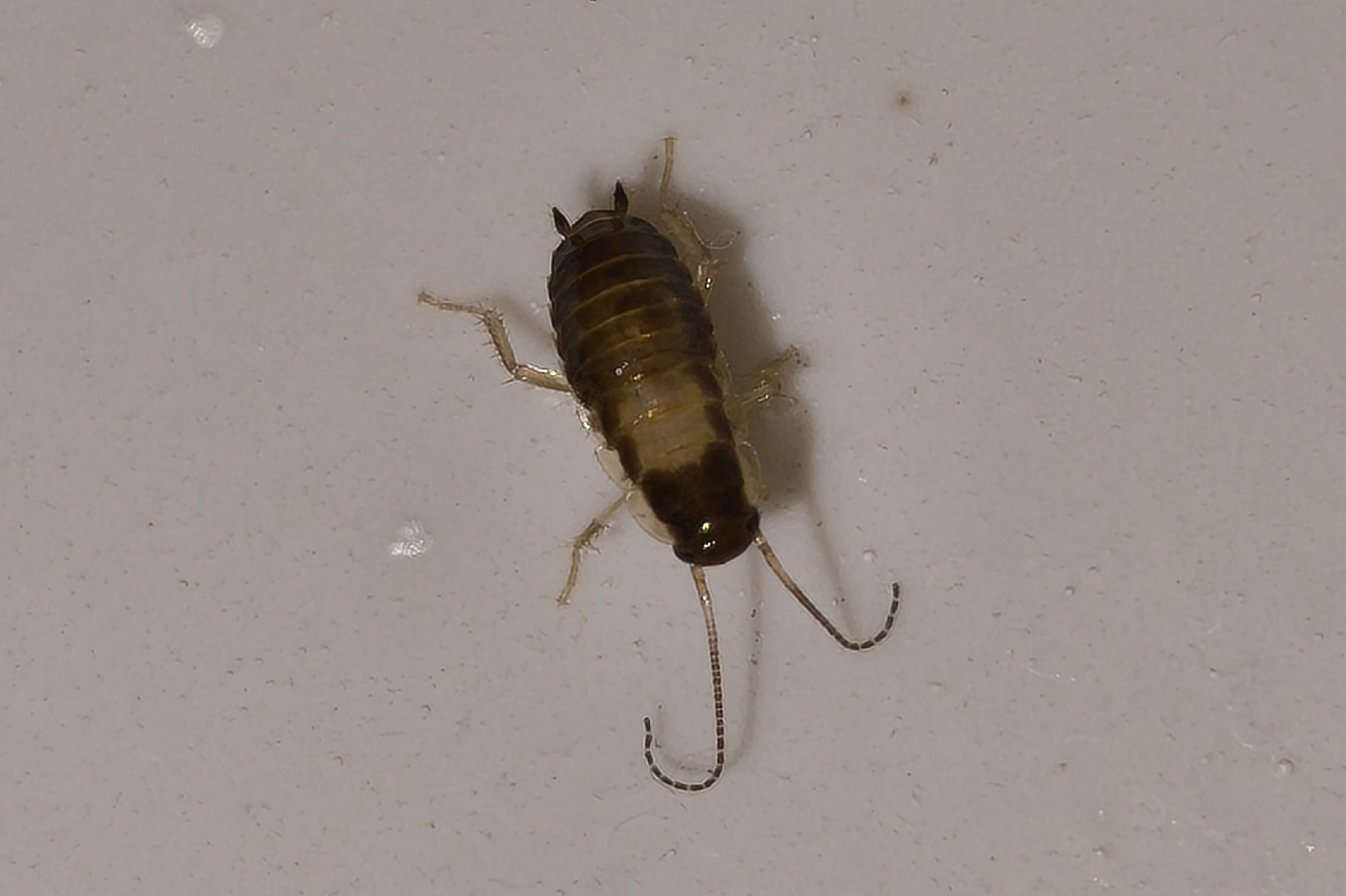
Identification matters because indoor-breeding German cockroaches require a different response from an occasional large outdoor roach. German cockroaches are usually tan, about half an inch long, and have two dark parallel stripes on the shield behind the head. They cluster in warm, humid places close to food and water—often kitchens and bathrooms.
American cockroaches are much larger and reddish brown, with a pale border behind the head. They favor damp areas such as basements, utility rooms, drains and sewer-connected spaces. Oriental cockroaches are dark, glossy and commonly associated with cool, wet areas. A single large roach after heavy rain may be an invader; German cockroach nymphs, egg cases and repeated daytime sightings point to an established indoor infestation.


| Clue | Most likely meaning | Where to inspect |
|---|---|---|
| Small tan roaches with two dark stripes | German cockroaches breeding indoors | Cabinet hinges, refrigerator motor, stove, dishwasher and sink |
| Large reddish-brown roach | American cockroach or outdoor invader | Drains, basement, utility penetrations and exterior entry points |
| Nymphs of several sizes | Active reproduction nearby | Tight cracks close to food, heat and moisture |
| Egg cases or pepper-like spotting | Harborage or travel route | Cabinet corners, appliance voids and wall edges |
| Roaches seen in daylight | Potentially heavy population or disturbed hiding site | Expand monitoring and consider professional help |


Step 1: remove food and water every night
Roaches can survive on tiny amounts of grease, crumbs, pet food, cardboard glue and residue under appliances. A clean-looking counter is not enough. Pull out movable appliances, vacuum debris, wipe grease from cabinet edges and clean the drip tray beneath the refrigerator. Store cereal, flour, snacks and animal food in hard containers with tight lids.
- Wash dishes or load the dishwasher before bed.
- Wipe the cooktop, backsplash, counters and dining area.
- Empty food waste into a covered trash container.
- Do not leave pet food or water out overnight during control.
- Fix dripping faucets, sweating pipes and leaking refrigerator lines.
- Dry the sink, tub and counters before bedtime.
- Remove corrugated cardboard and paper-bag clutter.
Step 2: map the infestation with sticky monitors
Sticky monitors do not solve a large infestation by themselves, but they reveal where treatment belongs and whether the plan is working. Place them flush against wall edges—not in the middle of a room—behind the refrigerator and stove, beside the dishwasher, beneath sinks, inside lower cabinets and near plumbing penetrations. Number and date each monitor.
Check daily for the first week. Record the number and approximate size of roaches on each trap. Concentrate cleaning, sealing and bait around the highest-count locations. Keep traps where children and pets cannot touch them, and replace dusty or full monitors.
Step 3: vacuum the population down
Use a crevice attachment to remove visible roaches, egg cases, shed skins and debris from cracks, cabinet corners and appliance edges. Vacuuming immediately reduces the population and removes material that can aggravate allergies. When finished, seal the vacuum bag in plastic and place it in outdoor trash. For a bagless vacuum, empty the canister outdoors into a sealed bag and clean the container according to the manufacturer’s directions.


Step 4: seal entrances and hiding spaces
Caulk narrow cracks around cabinets, backsplash edges and baseboards. Seal openings around plumbing and utility lines with an appropriate building material. Add door sweeps and repair screens. Do not block required appliance ventilation, drain function or fire-safety openings. In an apartment, report pipe gaps, leaks and shared-wall activity to management because adjacent units may need coordinated treatment.


Step 5: place bait where roaches hide
EPA recommends baits as a first line of chemical control after prevention steps. Choose a product labeled for indoor cockroach control and follow the label exactly. Gel bait works best in many small placements near cracks and hiding areas rather than in a few large blobs. Enclosed stations can reduce access where children or pets are present, but they must still be placed safely.
- Place bait near cabinet hinges, under sink rims, beside appliance voids and along active wall edges.
- Keep bait away from food-contact surfaces, dishes and utensils.
- Do not put gel on wet, greasy or frequently washed surfaces.
- Do not spray insecticide or strong cleaner on or beside bait; repellents and odors can keep roaches from feeding.
- Inspect placements and refresh them only as the product label directs.
- Expect gradual improvement. Bait may take a week or longer to produce a visible decline.


What about boric acid and dusts?
Boric acid and labeled insecticidal dusts can work in dry, inaccessible voids, but more is not better. Heavy piles can be avoided by roaches and can expose people or animals. Never use pool-grade or food products as improvised pesticides. Use only a pesticide product labeled for the exact site, apply the smallest amount the label specifies, and keep it completely inaccessible to children and pets. A licensed professional is the better choice for wall voids, electrical areas and complicated infestations.
Why bug bombs and broad spraying fail
Total-release foggers can be flammable and can cause illness if used incorrectly. They also send pesticide into exposed spaces while often failing to penetrate the narrow cracks where roaches shelter. Extension guidance warns that foggers and aerosol sprays may repel and disperse cockroaches, making control harder. Room-wide spraying also puts residue on more surfaces than a targeted bait program.
Never use more pesticide than the label allows, never combine products unless the label specifically permits it, and never apply an outdoor product inside.


A two-week control schedule
| When | What to do |
|---|---|
| Day 1 | Deep-clean active rooms, fix water sources, vacuum roaches and egg cases, and place numbered monitors. |
| Day 2 | Inspect trap counts, seal obvious gaps and place labeled bait near the busiest locations. |
| Days 3–7 | Maintain nightly sanitation, check monitors and avoid disturbing bait placements. |
| Day 7 | Compare counts, replace full monitors and refresh bait only according to the label. |
| Days 8–14 | Continue sanitation and sealing; expand monitoring if activity appears in a new room. |
| Day 14 | Evaluate the trend. A flat or rising count means the infestation needs reassessment or professional treatment. |
When to call a licensed professional
- You see roaches in several rooms or during the day.
- Trap counts do not fall after two weeks of correct sanitation and baiting.
- The infestation is in an apartment, duplex or other connected building.
- Roaches are entering through sewers, drains, wall voids or inaccessible equipment.
- A child, pet, pregnant person or medically vulnerable person could contact treatment areas.
- Someone in the home has asthma or a severe cockroach allergy.
Ask the company whether it uses integrated pest management, how it will monitor results, which products and EPA registration numbers it will use, and what preparation is truly necessary. A good plan corrects food, water and entry problems instead of relying on repeated broad spraying.
For related pest-control plans, see how to get rid of ants, how to get rid of gnats, and how to get rid of mice safely.
Sources
- U.S. EPA: Do’s and Don’ts of Pest Control
- U.S. EPA: Smart Pest Control to Protect Your Health
- U.S. EPA: Safety Precautions for Total-Release Foggers
- University of California IPM: Cockroaches
- University of Minnesota Extension: Cockroaches
- NC State Extension: German Cockroach Surveillance and Management
Leave a Reply