
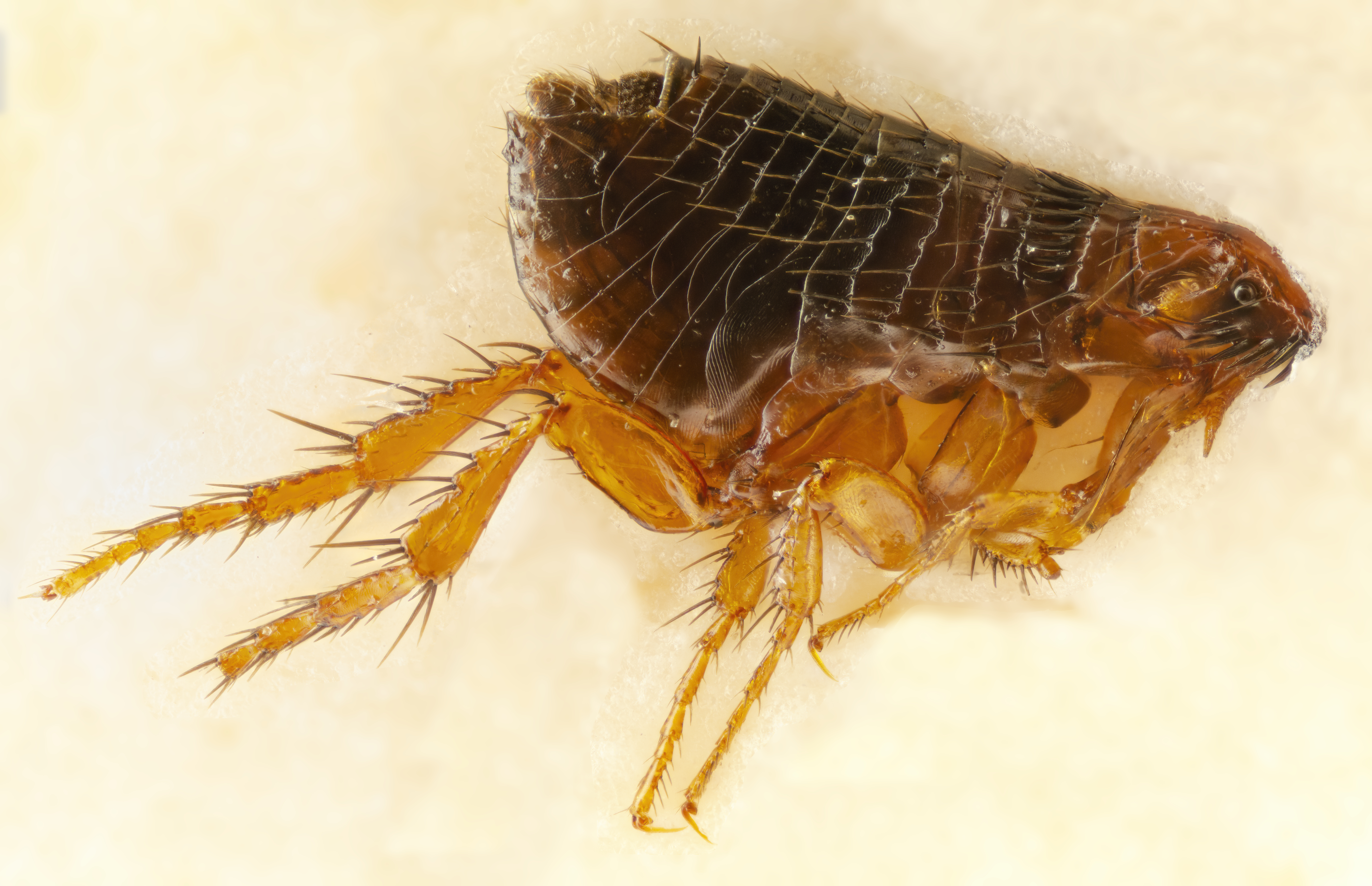
Fleas are not eliminated by treating only the pet or only the carpet. Adults feed on animals, while eggs, larvae and pupae develop throughout the home. Successful control means treating every pet with veterinary guidance, cleaning the environment intensively, and repeating the work long enough to interrupt the entire life cycle.


The four-part plan
- Sanitation: Vacuum floors, rugs, furniture and edges daily at first; wash pet bedding and any family bedding pets use.
- Treat every pet: Use a flea comb and ask a veterinarian which product is appropriate for each animal’s species, age, weight and health.
- Treat the home when needed: Use only an EPA-registered product labeled for the exact indoor area, or hire a licensed pest professional.
- Follow up: Continue vacuuming and repeat labeled treatments on schedule. CDC notes that moderate to severe infestations can take months and may require two or more follow-ups within 5–10 days after the first home treatment.
Start pet and home control on the same day so newly emerged fleas do not immediately restart the cycle. If one untreated pet remains in the home, it can continue feeding the infestation.
Why fleas keep coming back
An adult flea lays eggs on an animal, but many eggs fall into carpets, floor cracks, upholstery and bedding. Larvae hide in protected areas and eventually form pupae. The pupal stage is difficult to kill and can remain protected until vibration, warmth and carbon dioxide signal that a host is nearby. That is why fleas may appear after a room has seemed quiet.
Vacuuming does two useful things: it removes some eggs, larvae and adults, and its vibration encourages protected fleas to emerge when they are more vulnerable to control. One cleaning is not enough.


Step 1: check every pet
Watch for repeated scratching, chewing near the tail, restlessness, hair loss, irritated skin and small dark specks called flea dirt. Use a fine flea comb around the neck, belly and base of the tail. Wipe captured specks onto a damp white paper towel; flea dirt may dissolve into reddish-brown marks because it contains digested blood.


Step 2: treat pets safely
Call your veterinarian for an appropriate product, especially for kittens, puppies, older animals, sick animals, pregnant or nursing pets, animals taking medication, or pets with a history of reactions. Products include oral medication, topical “spot-on” products, collars, shampoos and sprays. The right choice depends on the individual animal and the fleas in your area.
Critical safety rule: Never use a dog flea product on a cat, or a cat product on a dog, unless the label specifically authorizes that species. Use only the dose for the animal’s exact weight and age. Some ingredients tolerated by dogs can seriously poison cats.
- Read the entire label before opening the product.
- Do not combine products unless the veterinarian specifically directs it.
- Keep children from touching treated fur for the time stated on the label.
- Separate pets if they might lick one another’s wet topical treatment.
- Keep the packaging and applicator so you have the ingredient, manufacturer and registration information.
- Monitor closely for vomiting, drooling, tremors, weakness, skin redness or unusual behavior.
If a reaction occurs, EPA advises bathing the pet immediately with mild soap and plenty of water; remove a flea collar if one was used, and contact a veterinarian or the National Pesticide Information Center at 1-800-858-7378. Severe symptoms require urgent veterinary care.


Step 3: vacuum every flea habitat
For the first stage of an infestation, EPA recommends vacuuming daily. Move slowly over rugs and carpet, then use attachments on upholstered furniture, under cushions, along baseboards, in floor cracks and beneath beds. Concentrate on pet sleeping areas and paths between food, doors and resting places.
- Vacuum carpet and rugs in overlapping passes.
- Remove sofa cushions and vacuum seams and frames.
- Vacuum hard-floor cracks and wall edges, not just open areas.
- Move lightweight pet furniture and clean beneath it.
- Immediately empty a bagless canister into a sealed bag outdoors, or seal and discard the vacuum bag according to manufacturer directions.


Step 4: wash and heat-treat bedding
Wash pet beds, removable covers, blankets, throws and any family bedding pets use in hot, soapy water, following each textile’s care label. Dry completely using the hottest setting the fabric safely tolerates. EPA recommends washing pet and family bedding used by pets every two to three weeks as ongoing prevention; during active control, wash more frequently as practical.
For a severe infestation, badly worn pet bedding with deep seams may be easier to discard. Seal it in a bag before moving it through the home, and replace it with a simple washable bed.


Should you steam-clean carpet?
Steam and soap can kill fleas at multiple life stages. Steam-clean after a thorough vacuum, paying special attention to pet resting areas, carpet edges and upholstered surfaces approved by the machine manufacturer. Avoid soaking flooring or furniture, and allow everything to dry fully before pets and children return.
When a home pesticide may be needed
Sanitation and veterinary treatment may be enough for a light problem. For moderate or severe infestations, use an EPA-registered indoor flea product exactly as its label directs or hire a licensed pest professional. A professional may choose a product that targets adult fleas plus an insect growth regulator that interrupts immature stages.
- Treat only locations listed on the label.
- Remove or cover food, dishes, toys, pet bowls and bedding as directed.
- Keep people and pets out for the full label-specified period and until treated surfaces are dry when required.
- Never apply a home or yard insecticide directly to an animal.
- Do not use outdoor chemicals indoors.
- Do not apply more product or treat more often than the label allows.
A practical flea-control schedule
| When | What to do |
|---|---|
| Day 1 | Treat every pet with veterinary guidance; wash bedding; vacuum all pet areas; begin labeled home treatment if needed |
| Days 2–7 | Vacuum daily; comb pets; monitor product response; rewash heavily used bedding |
| Days 5–10 | Perform follow-up home treatment only if the product label or pest professional directs it |
| Weeks 2–4+ | Continue frequent vacuuming, laundry and pet prevention; expect newly emerged fleas to decline gradually |
| Ongoing | Use veterinarian-approved prevention, inspect pets and clean bedding regularly |
What about the yard?
Fleas favor shaded, humid places where animals rest. Mow regularly, avoid overwatering, rake leaf litter and remove clutter. Focus any labeled yard treatment on shaded pet areas, under decks and dog runs rather than spraying the entire property. Discourage rodents and stray animals by sealing trash, storing pet food inside and blocking access beneath structures.
Flea bites on people
Flea bites often appear as itchy small red bumps around ankles and lower legs. Wash with soap and water, avoid scratching, and use a cool compress. Ask a clinician or pharmacist about an appropriate itch treatment, especially for children, pregnancy, allergies or other medical conditions. Seek medical care for spreading redness, warmth, drainage, fever, facial swelling, trouble breathing or other signs of a severe reaction or infection.
Common mistakes
- Treating one pet while leaving another untreated.
- Stopping after adult fleas disappear for a few days.
- Using a dog product on a cat.
- Stacking collars, shampoos, sprays and topicals without veterinary direction.
- Spraying open floors but ignoring furniture seams, edges and pet beds.
- Skipping daily vacuuming during the first phase.
- Expecting one fogger or “bomb” to reach protected flea stages.
When to call a veterinarian or pest professional
- A puppy, kitten, elderly or sick pet has fleas.
- A pet has pale gums, weakness, heavy infestation or skin infection.
- You are unsure which product is safe for the species or weight.
- Any animal reacts after treatment.
- Fleas remain abundant after several weeks of synchronized treatment and cleaning.
- You cannot safely keep children or pets away from treatment areas.
For another prevention-first household pest plan, see how to get rid of ants safely.
Leave a Reply