
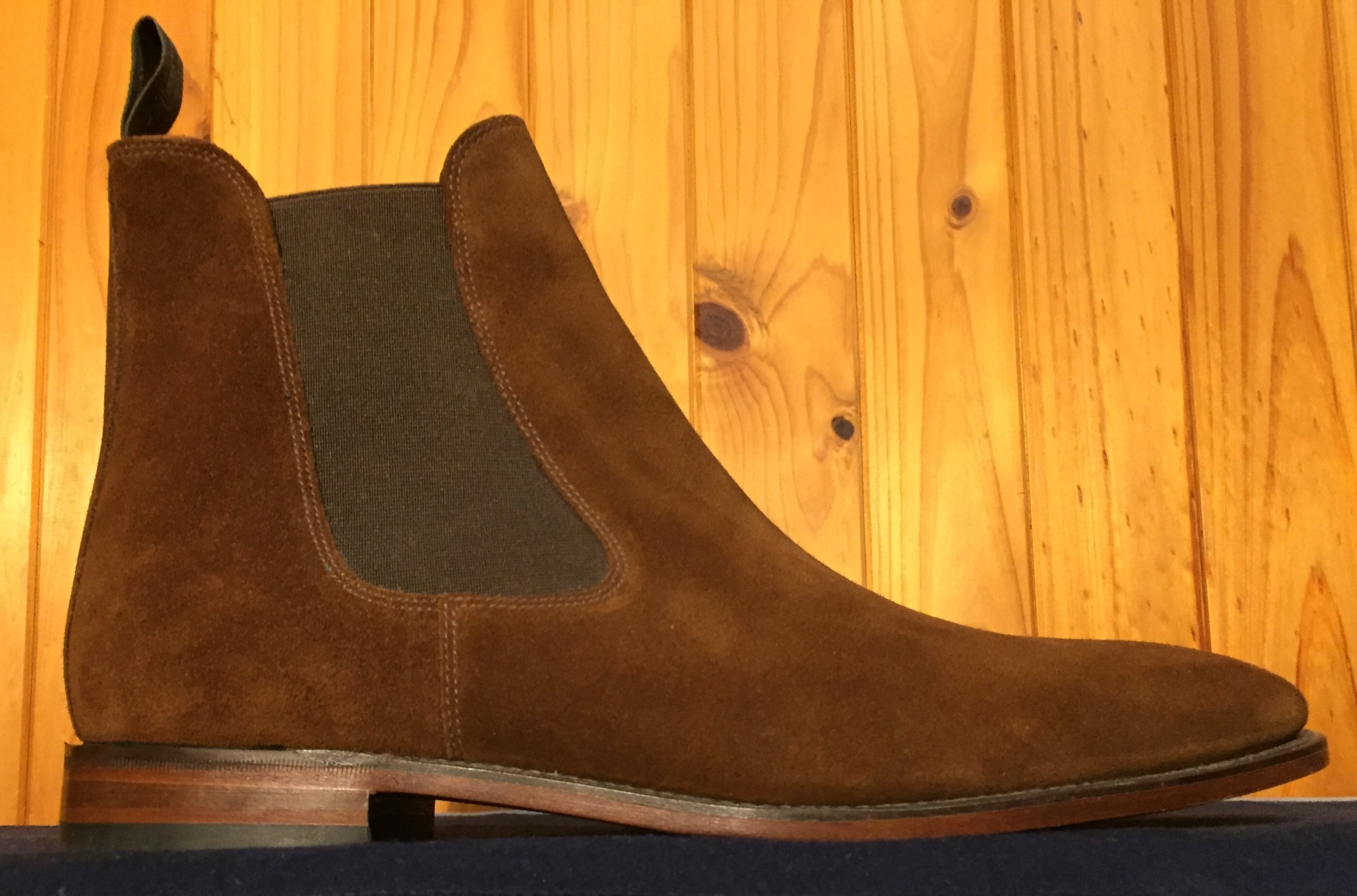
The short answer: Let wet mud dry, remove the laces, stuff the shoes with plain paper, and brush away loose dirt with a suede brush in the direction of the nap. Use a suede eraser for dry scuffs. Treat remaining stains sparingly with a material-approved suede cleaner, allow the shoes to air-dry away from heat, then brush again to restore the soft texture. Never put suede shoes in a washing machine or saturate them without the manufacturer’s approval.

Before cleaning: confirm the material
Suede is leather with a soft, brushed surface. Nubuck looks similar but is made by sanding the outer surface of the hide; it is usually a little tougher. Microsuede and synthetic suede are fabrics and may have different care instructions. Check the label, product page, or manufacturer’s guide before applying moisture or cleaner. Test every product on a hidden area because even a clear solution can darken or flatten the finish.

What you need
- A suede brush or clean soft-bristled shoe brush
- A suede eraser or clean white pencil eraser
- Plain white cloths
- Plain, ink-free paper for stuffing
- A suede or nubuck cleaner approved for the shoe
- Optional suede protector made for the material and color

How to clean suede shoes step by step
1. Let mud and moisture dry
Do not scrub wet mud; it spreads and pushes soil deeper into the fibers. Blot standing moisture without rubbing, stuff the shoe with plain paper to hold its shape, and let it dry naturally in a ventilated room. Keep it away from radiators, hair dryers, fireplaces, and direct sun.
2. Remove laces and brush dry dirt
Take out the laces so you can reach the tongue and eyelets. Brush the dry shoe lightly in the natural direction of the nap. Use short strokes and work over the whole panel rather than attacking one small spot. For stubborn mud along seams, loosen it with the edge of the brush without scraping the suede.

3. Erase scuffs
Rub a suede eraser gently over a dry scuff, then brush away the crumbs. Increase pressure gradually. Stop if color begins transferring to the eraser or the surface becomes shiny. Deep gouges, missing dye, and worn-through nap cannot be cleaned back into place and may need professional recoloring.
4. Use cleaner sparingly
If brushing and erasing are not enough, follow the directions on a suede-specific cleaner. Apply an even, light amount rather than soaking the stained dot alone, which can create a ring. Clarks recommends cleaning gently with the grain and wiping with a clean cloth. Allow roughly 30 minutes—or the product’s stated time—for initial drying before judging the result.

5. Air-dry and restore the nap
Keep the shoe stuffed while it dries at room temperature. Replace damp paper if needed. Once the material is completely dry, brush it again in one direction, then use very light back-and-forth strokes only where fibers remain flattened. Do not apply protector until the shoe is dry and the nap looks even.
Suede stain guide
| Stain | First step | Next step |
|---|---|---|
| Dry mud | Let it dry fully | Brush with the nap |
| Scuff | Use a suede eraser | Brush away crumbs |
| Water ring | Lightly even the moisture | Air-dry stuffed, then brush |
| Salt | Brush off crystals | Use approved cleaner or diluted vinegar after testing |
| Fresh grease | Blot; do not rub | Cover with absorbent powder overnight |
| Gum or wax | Chill until hard | Lift gently, then brush |
How to remove water stains
A dark edge forms when only part of the suede becomes wet and dries at a different rate. Timberland recommends lightly dampening the area around a water stain with room-temperature water, gently brushing the moisture through the affected panel, stuffing the footwear with plain paper, and letting it dry in a ventilated area. Use the smallest amount needed and treat the visible panel evenly.

How to remove salt stains
Brush away dry salt first. Timberland suggests one part white vinegar to two parts water for salt residue on its suede boots: test the mixture, apply it with a soft cloth, wipe away residue with a fresh cloth, and let the footwear dry overnight. Because dyes and finishes vary, use the shoe maker’s cleaner when available and never assume a home solution is safe for every color.
How to remove oil or grease
Blot a fresh spill immediately with absorbent paper without pressing it deeper. Cover the area with an absorbent powder recommended for footwear, leave it overnight, and brush it away the next day. Repeat before adding liquid. Old grease stains often require a professional suede cleaner because aggressive home degreasers can strip dye and leave a pale patch.

What not to do
- Do not machine-wash suede. Water, detergent, agitation, and heat can deform the shoe and damage glue or dye.
- Do not scrub wet mud. Let it dry before brushing.
- Do not use direct heat. It can shrink, harden, fade, or warp the material.
- Do not use leather polish. Smooth-leather waxes flatten suede’s nap.
- Do not soak one tiny spot. Uneven wetting can produce a ring.
- Do not wear until fully dry. Damp suede stretches and collects dirt easily.
Protect suede after cleaning
When the shoes are completely dry and evenly brushed, apply a protector labeled for suede and the shoe’s color. Test first, spray outdoors or in a well-ventilated space, and follow the distance and drying time on the label. Protection reduces the speed of absorption; it does not make ordinary suede waterproof. Store clean shoes in a cool, dry place with shoe trees or plain paper to support their shape.
Leave a Reply